Jerry MarottaGold Seal Flight Instructor
Gold Seal CFII • Knoxville, Tennessee

Experience that builds better pilots.

Practical instruction, calm judgment, and real-world aviation lessons shaped by more than 8,500 flight hours.

Measured in experience35+ Years in Aviation

Decades of practical judgment, calm instruction, and real-world experience.

8,500+Flight Hours
35+Years of Experience
Gold SealFAA Flight Instructor
CFIIInstrument Instruction

Focused instruction.
Clear outcomes.

Choose the type of training you need, then move directly into a focused booking experience.

01

Flight Training

One-on-one instruction built around the student’s current ability, goals, and aircraft.

See training →
02

Instrument Training

Procedural discipline, decision-making, and confidence for real instrument conditions.

See training →
03

Checkride Prep

Focused oral and flight preparation aligned with the practical test standards.

See training →
04

Ground Instruction

Clear explanations that connect knowledge to what the airplane is actually doing.

See training →
Flight Instructor’s Chronicles

The Day Fear Took the Controls

Real stories.
Real lessons.

Flight Safety8 minute readInstructor Perspective

A routine stall lesson became a fight for control when a student’s fear overrode everything he knew on the ground. Jerry explains what happened, how the airplane was recovered, and what the flight permanently taught him as an instructor.

“For several seconds, fear was flying the airplane. And as the instructor, it was my responsibility to take it back.”
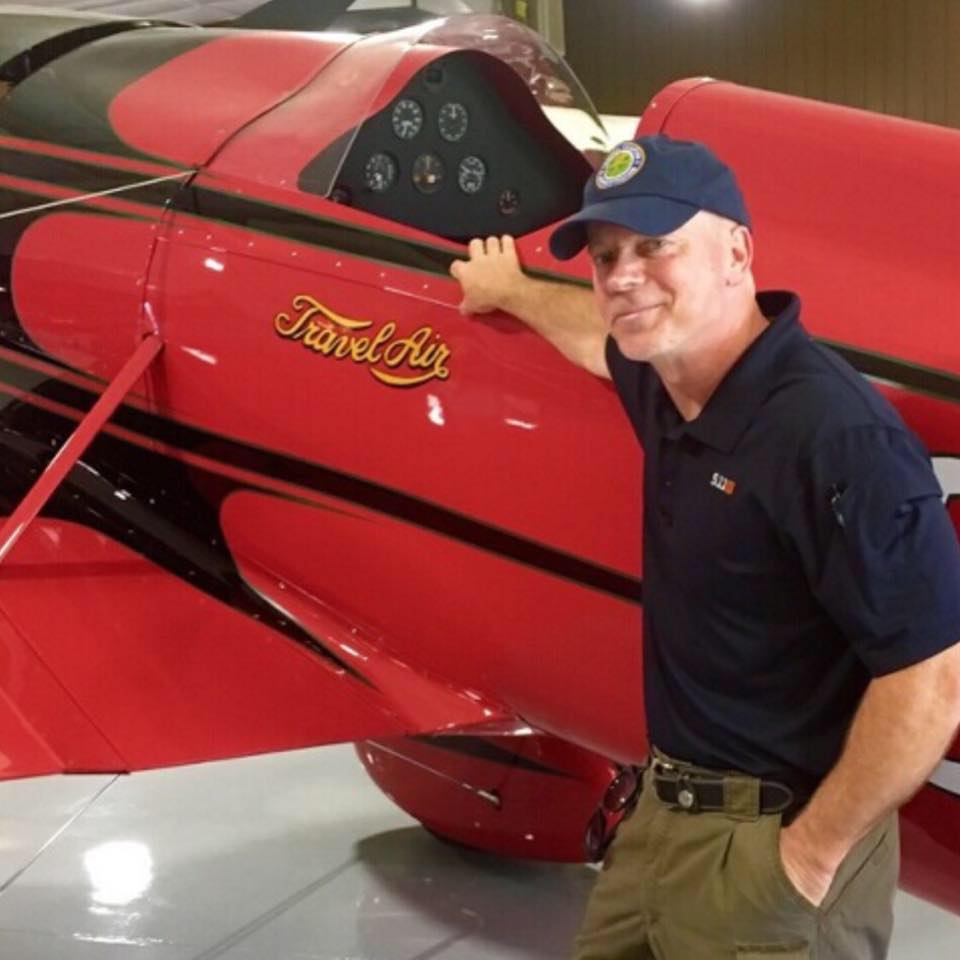
Jerry Marotta with his Travel Air biplane

Experience you can trust.

Jerry combines technical knowledge with decades of judgment, perspective, and an ability to identify what each student needs next.

8,500+Flight Hours
35+Years in Aviation
Gold SealFAA CFI
East TNTraining Area

Experiences from the right seat.

Want to leave a review? Use Jerry’s Yelp listing. Website testimonials and Yelp reviews are kept separate so visitors always know where each rating comes from.

Ready to become a better pilot?

Use the focused booking page to request a session without making every visitor encounter a long form on the homepage.

Gold Seal CFII • Knoxville

Jerry
Marotta

Practical instruction and real-world aviation judgment shaped by more than 8,500 flight hours.

Gold Seal CFI CFII 8,500+ Hours

Choose your next objective.

Swipe to compare training options.

Lessons that stay with you.

Flight Safety • 8 min read

The Day Fear Took the Controls

A stall lesson, a student frozen in panic, and the moment an instructor had to take command back.

Experience that matters.

8,500+Flight Hours
35+Years Aviation
Gold SealFAA Instructor
CFIIInstrument

Experiences from the right seat.

Website reviews
5.0
2 website reviews

Website reviews are approved before publication. Yelp maintains its own separate rating.

YelpLive external rating
View Yelp for the current rating
The public Yelp listing is always available below.
View Yelp Rating

Want to leave a review? Use Jerry’s Yelp listing. Yelp ratings are not combined with the website average.

Ready to train?

Complete a short request. On mobile, the site opens your native Messages app with everything ready to send.

I don’t just teach people to fly. I teach them to think.

From teaching martial arts and restoring muscle cars to creating aviators.

I have spent more than 35 years in aviation and logged more than 8,500 flight hours, but the part of this work that has meant the most to me has always been teaching.

Long before I became a flight instructor, I taught martial arts. I enjoyed helping students develop discipline, work through frustration, and grow into something they did not yet believe they could become. Later, after earning my commercial pilot certificate, I became friends with an Air Force colonel who was also a flight instructor. Flying with him convinced me that the same things I valued in teaching martial arts belonged in aviation.

“I switched from restoring muscle cars to creating aviators.”
Jerry Marotta
FAA Gold Seal Flight Instructor · CFII
Jerry Marotta standing beside his red Travel Air biplane
8,500+Flight Hours
35+Years in Aviation
Gold SealFAA Flight Instructor
CFIIInstrument Instructor

Teaching was already part of who I was.

When I began flying with that Air Force colonel, I had recently reached the commercial-pilot level. He was an instructor as well as a military aviator, and the time I spent flying with him changed the direction of my career. He showed me that instructing was not simply demonstrating maneuvers. It was helping another person develop judgment, discipline, and confidence.

I decided to pursue my flight-instructor certificate. Once I began instructing, I liked it so much that I changed careers. I moved away from restoring muscle cars and committed myself to developing pilots.

The machine still matters—but now the real work is helping the person in the other seat grow.

Safety first. Then make it enjoyable.

I do not believe every student should be taught in exactly the same way. When someone is struggling, my responsibility is to recognize where the understanding broke down and change the lesson until the idea makes sense.

  • I explain why a lesson matters and how it applies outside the training environment.
  • I want pilots to ask questions instead of pretending they understand.
  • I teach students to pause, evaluate the risk, and think before committing to a flight.
  • I give honest feedback without taking the enjoyment out of aviation.

A title tied directly to student success.

Right after I started flight instructing, I learned about the FAA Gold Seal standard. That caught my attention because it was not simply another written test or another line on a certificate. The recognition was connected to a high level of instructional activity, deeper ground-instructor qualifications, and the actual performance of the students an instructor prepared.

I decided to make the Gold Seal one of my first major goals. I expanded my instrument knowledge, added an instrument ground-instructor certificate, and worked under the pressure of preparing a large group of students for their practical tests. I reached the Gold Seal standard during my first year as a new instructor, and I was extremely proud of it.

  • Advanced credentialsA commercial pilot certificate with an instrument rating—or an airline transport pilot certificate.
  • Ground instructionAn advanced or instrument ground-instructor rating.
  • Student resultsAt least 10 applicants recommended within 24 calendar months, with at least 80 percent passing on their first attempt, or qualifying equivalent examiner activity.

To me, the seal represents responsibility. When I recommend someone for a practical test, I am placing my name behind that pilot’s preparation. Passing matters, but building a pilot who can think and make safe decisions after the checkride matters even more.

Formal qualification summary based on the FAA’s current Gold Seal guidance. View FAA AC 61-65K

The lessons went both directions.

Many of the students I trained during that first year came from Japan. The language barrier could make instruction challenging, but those students brought an extraordinary amount of dedication, gratitude, and hard work. Teaching them forced me to become a clearer and more adaptable instructor.

One student, Nobu, surprised me during our first cross-country lesson. His navigation was so strong that I briefly wondered whether the FAA had sent someone to evaluate me. I later learned that he had retired from the Japanese military after serving as a navigator aboard a P-3 Orion maritime patrol aircraft.

As Christmas approached, Nobu was running out of time to complete his training before returning to Japan. I told him we would stay as late as necessary, and we studied for his oral examination until midnight. He completed the process and returned home as a pilot.

Later, he sent me a photograph of himself with his family while wearing his military uniform, medals, and decorations. I wish I still knew where that photograph was, but I have never forgotten what it represented.

Tell me where you are in your flying.

Whether you are beginning, returning after time away, preparing for a checkride, or moving into instrument flying, I will build the instruction around the pilot you are today and the pilot you are working to become.

Instruction built around the pilot.

Jerry’s approach starts with safety, keeps flying enjoyable, and adapts the training plan when a pilot needs a different explanation or method for something to finally click.

01

Primary & Proficiency Flight Training

Safety First Discovery to Advanced Your Aircraft or Rental

Flight training is for anyone who wants to become safer, sharper, and more comfortable in the airplane. Jerry works with first-time students, private pilots returning after time away, and experienced or commercial pilots who want to rebuild proficiency in aircraft such as the Cessna 172.

  • Discovery flights and first lessons for new students
  • Private-pilot training and maneuver proficiency
  • Rusty-pilot refreshers and return-to-flying sessions
  • Confidence, aircraft control, judgment, and safe decision-making
02

Instrument Training & IPCs

Full Rating Instrument Proficiency Check Step-by-Step

Instrument flying can feel like learning a new language. Jerry starts slowly and builds understanding in manageable pieces, especially when pilots are making the transition from colorful VFR charts to dense IFR plates, procedures, symbols, and new cockpit workload.

  • Full instrument-rating instruction
  • Instrument Proficiency Checks for rated pilots
  • Approach procedures, clearances, charts, and cockpit organization
  • Workload management and staying ahead of the airplane
03

Checkride Preparation

Mock Oral Mock Flight Review & Polish

Jerry can run a complete mock checkride or focus on the areas that need final review. The goal is not simply memorizing enough to pass. It is identifying weak areas, understanding the standards, and entering the practical test able to explain decisions and fly with confidence.

  • Mock oral examinations and scenario-based questions
  • Mock flight portions and maneuver evaluation
  • Technical review, knowledge-gap identification, and final polish
  • Preparation tailored to the certificate or rating being pursued
04

In-Person Ground Instruction

One-on-One In Person Built Around You

Jerry teaches the full range of ground topics and changes his explanation when the first method does not connect. Instead of pushing ahead while a student is lost, he identifies where the understanding breaks down and approaches the subject from another direction.

  • Aerodynamics, weather, navigation, systems, and regulations
  • Instrument charts, procedures, and oral-exam preparation
  • Dedicated ground sessions or ground instruction paired with flying
  • Currently offered in person; virtual instruction may be added later
01 Primary & ProficiencyDiscovery flights through rusty-pilot refreshers

Jerry works with brand-new students, private pilots returning after time away, and experienced pilots who want to rebuild confidence or proficiency in an aircraft such as the Cessna 172.

Jerry’s priority Safety comes first. The second priority is keeping flying enjoyable so the pilot stays engaged and continues learning.
  • Discovery flights and first lessons
  • Private-pilot training and maneuver practice
  • Rusty-pilot and return-to-flying sessions
  • Training in the pilot’s owned or rented aircraft
02 Instrument TrainingFull ratings and Instrument Proficiency Checks

Jerry slows the transition from VFR to IFR down into manageable steps. Charts, procedures, symbols, approaches, and cockpit workload are introduced without burying the pilot in everything at once.

How he teaches it Start with the foundation, make sure it is understood, then add complexity as the pilot becomes ready for it.
  • Full instrument-rating instruction
  • Instrument Proficiency Checks
  • Approach charts, clearances, and procedures
  • Workload management and staying ahead of the airplane
03 Checkride PreparationMock checkrides, review, and final polish

Preparation can be as complete as a mock oral and mock flight, or as focused as reviewing technical weak points and polishing the areas that need attention before the practical test.

What the session targets Knowledge, judgment, communication, maneuver standards, and the pilot’s ability to remain composed while being evaluated.
  • Mock oral examinations
  • Mock flight portions
  • Scenario-based questions and technical review
  • Final review and confidence-building
04 Ground InstructionIn-person, one-on-one knowledge development

Jerry can cover the full range of ground topics. When a student is struggling, he changes the explanation and the training plan instead of repeating the same method and hoping it eventually works.

Built around the student The goal is to identify exactly where the concept stopped making sense and approach it in a way that helps it finally click.
  • Aerodynamics, weather, systems, navigation, and regulations
  • Instrument procedures and chart interpretation
  • Oral-exam and knowledge-test preparation
  • Currently offered in person
The Instructor's Chronicles — True Stories from the Right Seat, by Jerry Marotta
Flight Safety • Featured Chronicle

The Day Fear Took the Controls

A student knew the recovery procedure in the classroom. In the airplane, fear took over. Jerry recounts the spin, the struggle for the controls, and the lessons he carried into every flight afterward.

8 minute read

The Day Fear Took the Controls

A true account of fear, instinct, control, and the responsibilities carried by the instructor in the right seat.

By Jerry Marotta • Flight Safety • Instructor Perspective

The Day Fear Took the Controls

Everything happened in seconds.

Everything happened in seconds.

I was flying with a student, working on stalls. We had covered the procedure before the flight. He knew what the airplane was expected to do, what the stall would feel like, and how he was supposed to recover.

At least, he knew it in the classroom.

That is one of the first things instructors learn. A student can explain a maneuver perfectly while sitting safely on the ground and still react very differently when the nose suddenly drops below the horizon.

As the stall broke, the nose naturally dropped.

That sight terrified him.

Instead of relaxing the back pressure as we had practiced, he pulled back on the controls with every ounce of strength he had.

That was the first mistake.

When an airplane stalls, the wing has exceeded its critical angle of attack. Pulling farther back does not keep the airplane from descending. It increases the angle of attack and keeps the wing stalled. The instinct is understandable. The ground appears to be rising toward you, so every part of your body tells you to pull away from it.

But in a stall, that instinct can kill you.

At the same time, he pushed the rudder in the wrong direction.

The airplane rolled.

The wing quit flying.

We entered a spin.

I immediately reached over to recover the airplane, but the yoke would not move. It felt as though it had been welded in place.

For a split second, I could not understand why the controls were not responding. Then I looked at my student.

His eyes were enormous.

His arms were locked perfectly straight, every muscle in his body rigid. His hands were clamped around the controls in a death grip. One leg was driving the rudder pedal to the floor with all the strength he could muster.

He was not trying to fly anymore.

He was frozen in panic.

From an instructor’s perspective, that changed the nature of the emergency completely. The airplane itself was responding exactly as expected to the control inputs it was being given. The real problem was that the person making those inputs could no longer hear, reason, or respond.

I told him to release the controls.

He did not respond.

I tried to take the airplane from him, but he pulled harder. His entire body had become part of the control system, and fear had given him a level of strength I had not expected.

The airplane continued rotating.

The ground was rising rapidly.

There was not time for another explanation. There was not time to talk him through the recovery again. I had seconds.

I struck his arms and upper body hard enough to break his grip on the controls.

It was not anger.

It was not punishment.

It was not an instructional technique.

It was the only way I could regain control of the airplane before we ran out of altitude.

The instant he released the controls, I recovered from the spin and pulled the airplane out of the ensuing dive.

Then we flew away.

That part of the incident has always stayed with me because the recovery itself was almost routine once I had access to the controls. The airplane was recoverable. The obstacle was the student physically preventing the correct recovery inputs.

We returned to the airport and landed safely.

Only later did I ask him why he had finally let go.

His answer caught me completely off guard.

He said, “The only reason I released the controls was because I knew you had three black belts in martial arts. I thought you were like Chuck Norris, and for one split second, I was more afraid of you than I was of hitting the ground.”

I have no idea whether that was entirely true.

What I do know is that he released the controls, I recovered the airplane, and both of us walked away.

Back at the flight school, I told the story to the World War II Corsair pilot who had taught me aerobatics.

I explained how desperate the situation had become. I told him that when I realized the student was not going to release the controls voluntarily, I had decided I would do whatever was necessary to get him off them before we hit the ground.

He listened without interrupting.

When I finished, he looked at me quietly for a moment.

Then he asked one question.

“Were you prepared to do that?”

“Yes,” I answered.

He nodded once.

There was nothing more to say.

That flight taught me several lessons as an instructor.

The first was that knowledge and reaction are not the same thing. My student knew the stall-recovery procedure, but when confronted with the actual sight and sensation of the nose dropping, fear overrode his training.

The second was that an instructor must guard the controls during any maneuver in which a student’s incorrect reaction could quickly become dangerous. You do not wait until the airplane has fully departed controlled flight to become involved. You watch the student’s posture, grip, breathing, and control pressure. A rigid arm or tightening grip can be the first warning that the student is no longer processing the lesson normally.

The third was that altitude is not merely a number on the altimeter. It is time. Every second of delay consumes it. Every attempt to reason with a panicked student consumes more of it. An instructor must know when verbal instruction has failed and when immediate intervention is required.

The student’s technical mistakes were straightforward.

He maintained excessive back pressure after the stall.

He applied incorrect rudder.

He became rigid on the controls.

But the deeper mistake was allowing fear to replace judgment.

That is what made the event dangerous.

This is not a story about an instructor hitting a student.

It is a story about what can happen when a student’s survival instinct produces exactly the wrong control inputs, and when the instructor must regain command of the airplane before the situation becomes unrecoverable.

The airplane was still capable of flying.

The student was still capable of surviving.

But for several seconds, fear was flying the airplane.

And as the instructor, it was my responsibility to take it back.

Safety note: This personal account is presented for educational and storytelling purposes. It is not a substitute for instruction from a qualified flight instructor, an aircraft flight manual, or FAA-approved training guidance.

Request a focused training session.

Mobile requests open directly in your native Messages app. Desktop requests download a tentative calendar invite and open in your default email application.

Preview of your request
Fill in the form to preview the message Jerry will receive.

Reach Jerry directly.

Use the booking page for lesson requests or reach Jerry directly when you need a quick response.

Jerry Marotta Aviation

Knoxville, Tennessee
Gold Seal Flight Instructor and CFII

Use the booking page.

On mobile, the booking page prepares a native text message. On desktop, it prepares an email and downloads a tentative calendar invite.

Student Review